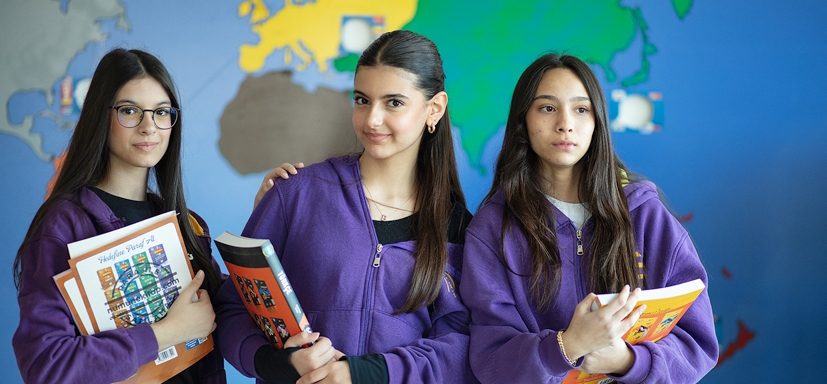
High school students begin to shape their future professions, lifestyles, and personal goals when they make university and department choices at the end of their education. As the AREL College Guidance and Psychological Counselling Unit, we support our students in making conscious, healthy, and potential-appropriate decisions during this process.
Our Activities
- Individual University Counselling: We provide university and department recommendations based on students’ interests, abilities, and academic profiles.
- Preference Process Monitoring: We provide strategic guidance and help students prepare possible university preference lists based on their YKS scores.
- Information Seminars: These seminars are organized by the Guidance and Counselling Unit to help students access accurate and up-to-date information during the university transition process. In these seminars, detailed information is shared about university departments, scholarship opportunities, dormitory options, and career opportunities. Students learn about different fields and evaluate options that match their interests and abilities. These seminars help students clarify their future plans, improve goal-setting skills, and prepare better for the preference process.
- Psychological Support Practices: We carry out studies focused on stress, anxiety, and motivation to help students manage the exam process in a healthy way. Through individual and group work, students learn to recognize exam anxiety, develop coping strategies, and maintain motivation. Our goal is to support not only academic success but also emotional resilience and well-being.
- Counsellor Follow-up Booklet: For Grade 12 students, a Counsellor Follow-up Booklet is prepared to support academic and personal development. It includes:
-Topic schedules
-Motivation charts
-Weekly study plans
The Guidance Unit prepares the content, while counsellor teachers monitor students, record their progress, and provide guidance.
- Counselling System: Through the Counsellor Teacher System, each student receives individual guidance. Teachers closely follow students’ interests, abilities, and goals. They provide personalized recommendations based on academic performance, exam strategies, and career goals.Teachers prepare weekly study plans using the follow-up booklet. They meet with students at least once a week and communicate with parents at least once a month. Throughout the process, they support students in exam performance, motivation, anxiety management, and emotional well-being. This system helps students make informed and confident university choices and go through the exam process more efficiently and with less stress.
- Round Table Meetings: These meetings are organized individually for each student during the university preparation process. Students, parents, counsellor teachers, and subject teachers all participate.
In these meetings, students’ exam preparation, academic performance, test results, homework tracking, weekly study plans, motivation, and future goals are discussed. These meetings strengthen motivation, create a shared vision, and ensure active family involvement.
- Alumni Career Days: AREL graduates are invited twice a year to meet current students. They share their career journeys, the importance of choosing the right university and department, exam preparation experiences, and real work-life experiences. These events help students learn about professions, increase career awareness, and make informed decisions. They also play an important role in shaping students’ future plans and motivation.
- University Introduction Activities: University visits, presentations, and department information sessions are organized so students can explore higher education options and make informed choices.
- University Fair: Students meet representatives from different universities and gain direct information about academic programs and career opportunities.
- Let’s Up Program: LETS’UP is a peer mentoring program where senior students support younger students in academic and social adaptation. Mentors share their experiences about study habits, time management, school systems, exam processes, and school life. The program helps younger students adapt more easily while also developing leadership, responsibility, and communication skills in mentors. It is coordinated by the Guidance and Counselling Unit and supported with regular follow-up and feedback.


 Parent Portal
  Employment